
Understanding Dosages in Boilie Making
In a world as vast and complex as modern bait ingredients, it’s very easy to lose direction without a few solid reference points.
Every ingredient — whether it comes in a bag, bottle, powder or liquid form — must be dosed carefully if we want to achieve maximum performance from a bait.
Measuring Ingredients Correctly
In bait making, we mainly deal with:
* Grams and kilograms for solids
* Drops and millilitres for liquids
For this reason, every serious bait maker should own:
* A digital scale accurate to at least 1 gram and capable of weighing up to 2kg
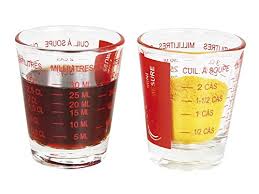
* Graduated measuring cups
* Pipettes or syringes for small liquid dosages
These simple tools are essential if you want consistency and precision in your bait production.
Minimum and Maximum Dosages
Almost every ingredient comes with a recommended dosage range:
* Minimum dosage
* Maximum dosage
Understanding what these values actually mean is fundamental.
Minimum Dosage
The minimum dosage represents the level below which the ingredient becomes practically ineffective.
In other words:
Below this threshold, the substance no longer contributes meaningful taste, nutrition or attraction.
At that point, it’s often better not to use it at all.
Maximum Dosage
The maximum dosage is the threshold above which problems may begin to appear.
These problems vary depending on the ingredient.
For Solid Ingredients
Excessive inclusion can compromise:
* Mix mechanics
* Rolling properties
* Texture
* Structural stability
For Liquid Ingredients
Maximum dosages often relate to:
* Dough management issues
* Excessive softness
* Reduced binding
* Potential instability
In the case of very potent liquid additives, safety considerations may also become relevant.
The Concept of Maximum Effective Yield
Some attractors and flavourings have what we could define as a “maximum effective yield”.
Beyond a certain point, increasing the dosage no longer improves attraction and may even become counterproductive.
An overly strong chemical signal can start appearing unnatural and eventually become repellent rather than attractive.
This is particularly true with synthetic chemistry.
Economic Limits vs Technical Limits
In my book, I usually indicate minimum working dosages very clearly.
Maximum levels, however, often depend more on:
* Economic considerations
* The ability of the mix to physically contain the ingredient
* The intended use of the bait
This is especially true for liquid foods.
These ingredients are often the primary source of attraction and taste in ready-to-fish boilies and therefore benefit greatly from generous inclusion levels.
Understanding Flavour Recommendations
Flavour dosages are often based on tests carried out by manufacturers in specific local waters.
This means recommended levels are not universal truths, but practical guidelines optimised for particular fishing situations.
Potent Ingredients and Safety
As a general rule:
Any liquid ingredient dosed in drops should be considered potentially hazardous if overdosed heavily.
You should never exceed more than double the manufacturer’s maximum recommendation with highly concentrated substances.
This is particularly important with:
* Essential oils
* Potent synthetic attractors
* Certain acids
* Concentrated flavour compounds
The English Dosage Confusion
One common mistake comes from misunderstanding English bait recipes.
Many British products are dosed according to the number of eggs used for one pound of mix.
But one pound corresponds to only about 450g.
Personally, I strongly prefer using dosages based on 1kg of dry mix because it creates a fixed and much more reliable reference system.
Why I Prefer the Crazy Method
As I often explain in my book, I believe the most advanced bait design system is my Crazy Method.
Why?
Because it completely reverses the classic approach.
Traditional bait making starts from the eggs and then adjusts liquids afterwards.
The Crazy Method does the opposite:
It starts by designing the entire liquid attraction package first — liquid foods, attractors, soluble compounds and chemistry — and only afterwards adjusts the eggs according to the final consistency required.
This allows far greater control over:
* Solubility
* Attraction
* Texture
* Leakage
* Nutritional profile
And in modern boilie design, liquids are often far more important than the dry ingredients themselves.
In my book you can find detailed dosage tables, recipes and technical explanations for both solid and liquid bait ingredients.
Boilies,the Art and Science of Carp Bait